

What Is NARM®?
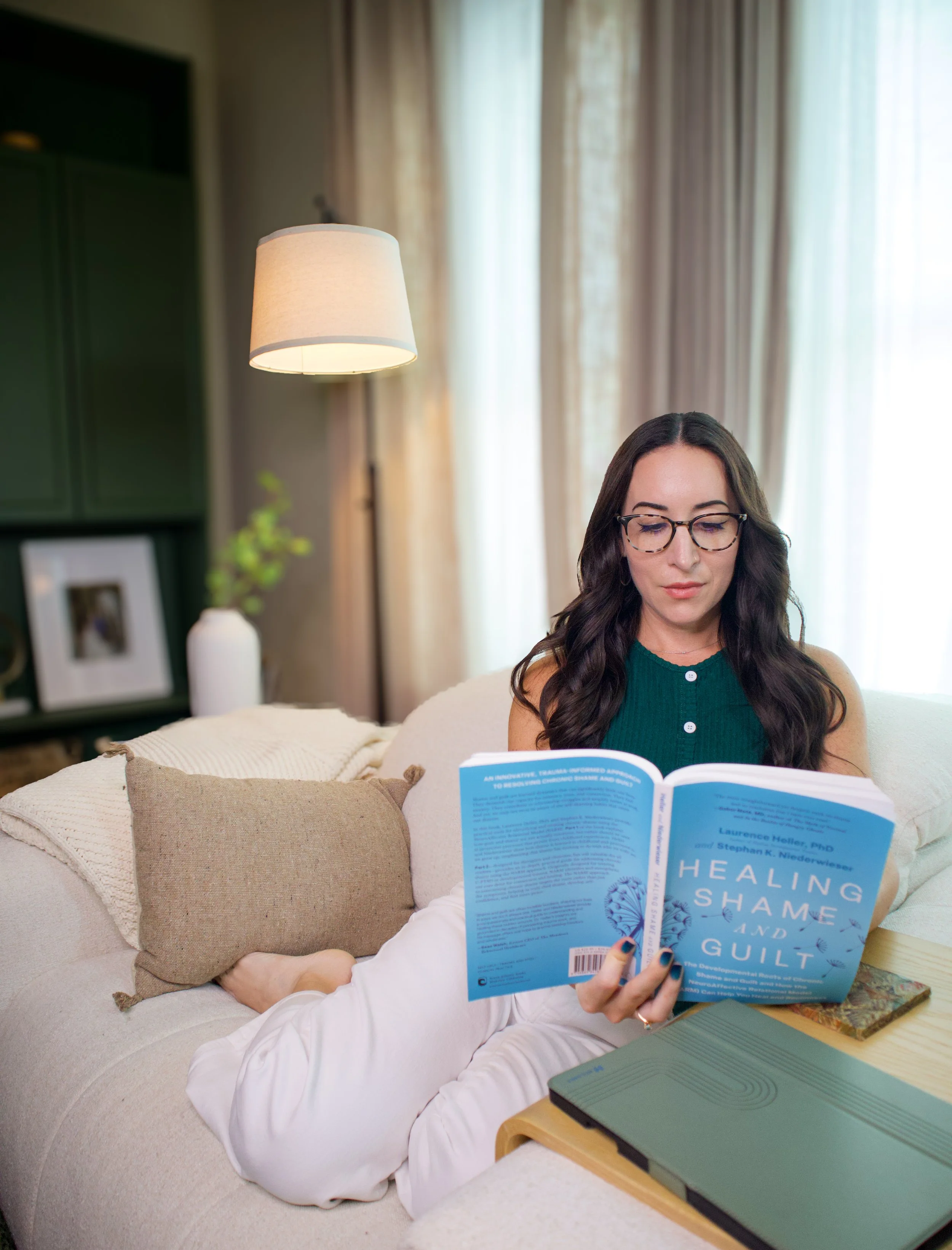
I practice using The NeuroAffective Relational Model® (NARM®); an approach to therapy designed for the treatment of complex trauma, developmental trauma, and longstanding patterns of disconnection.
Rather than focusing on what is "wrong" with you, NARM helps you understand the adaptive strategies that once helped you survive and may now be limiting your life.
Together, we explore these adaptations with curiosity rather than judgment, allowing new experiences of connection, regulation, and choice to emerge.
Healing the Patterns That Keep You Stuck
NARM® may be a good fit if you:
Feel like you understand your patterns intellectually but struggle to change them
Experience chronic shame or self-criticism
Have difficulty trusting others
Feel disconnected from yourself or your emotions
Struggle with perfectionism or people pleasing
Find yourself repeating the same relationship dynamics
Grew up in environments where your emotional needs were not consistently met
Want trauma therapy that doesn't require reliving every painful memory
Common Concerns I Address With NARM®
Childhood emotional neglect
Chronic shame
Perfectionism
People pleasing
Relationship difficulties
Emotional disconnection
Identity struggles
Low self-worth
About Your Therapist
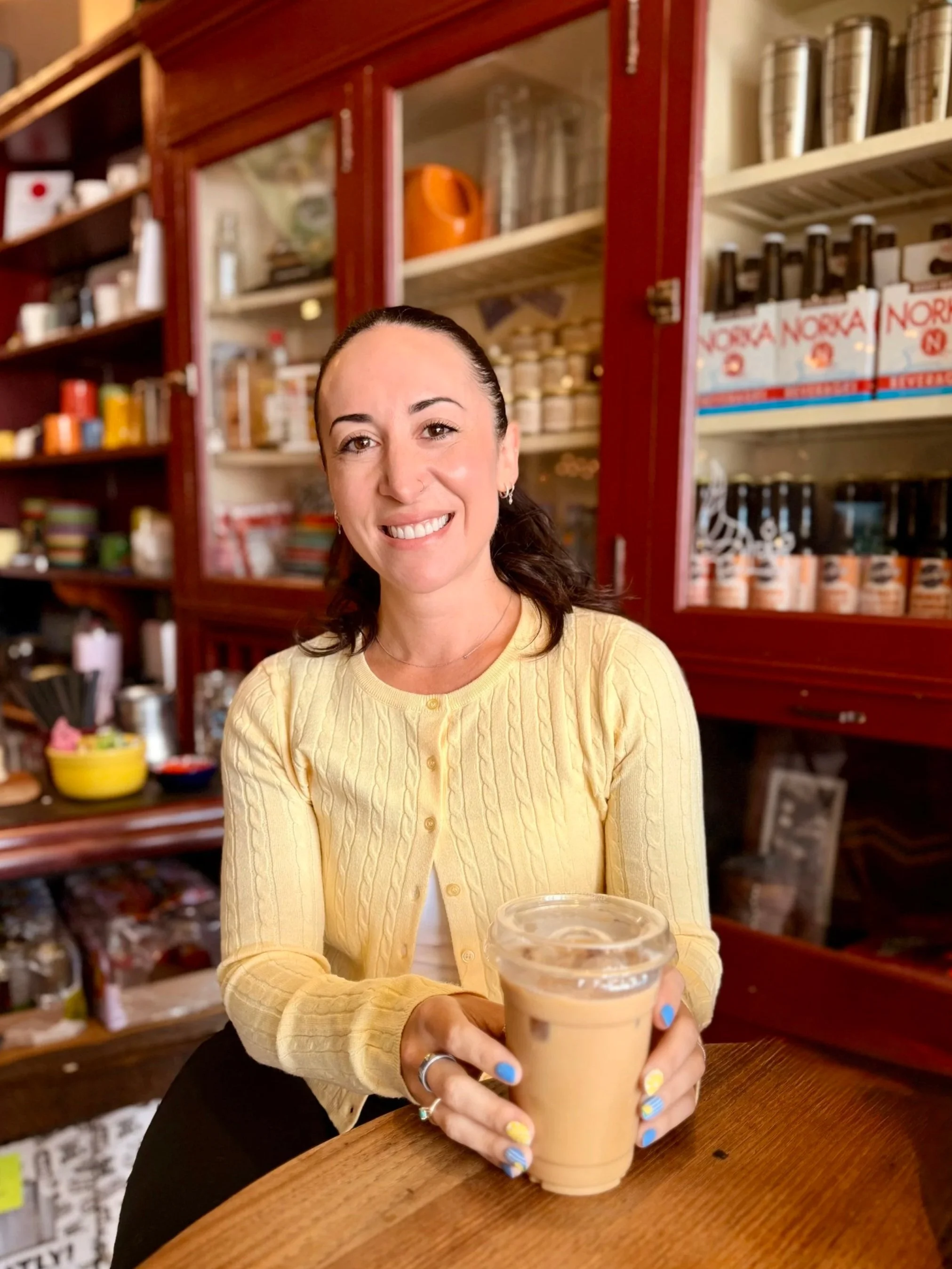
Kim Fry, LMFT-S, is a NARM® Therapist with a deep interest in understanding how our early experiences shape the ways we relate to ourselves, our bodies, and the people around us. She has completed advanced training in the NeuroAffective Relational Model (NARM)®, an evidence-informed approach to working with the lasting effects of complex and developmental trauma, and will continue into NARM’s Level 3 Master’s Training in 2027.
Kim brings NARM® into her work with adults navigating eating disorders, body image concerns, relationship patterns, self-criticism, and other experiences that can leave us feeling disconnected from ourselves. Her approach is warm, relational, and grounded in the belief that meaningful change happens when we can better understand what is happening within us, rather than judging ourselves for the ways we’ve learned to cope.
Rather than asking you to relive or repeatedly revisit the past, Kim is interested in how those experiences may still be showing up in your life today. Together, you’ll explore the patterns, beliefs, and ways of relating that may no longer be serving you, while building greater awareness, self-compassion, and connection with yourself and others. Her hope is to help you move beyond simply getting through life and toward feeling more authentic, present, and at home in yourself.
Ready to begin?
Healing doesn't mean becoming someone new. More often, it means reconnecting with the person you've always been beneath the patterns that once helped you survive.
If you're ready to begin the journey of rediscovering yourself, I'd be honored to support you. Reach out today to schedule a consultation and take the first step toward a life rooted in authenticity, connection, and holistic wellbeing.